Sleep deprivation / fatigue
Our actions & our advice
Lack of
sleep,
impacts
and risks
in sport?
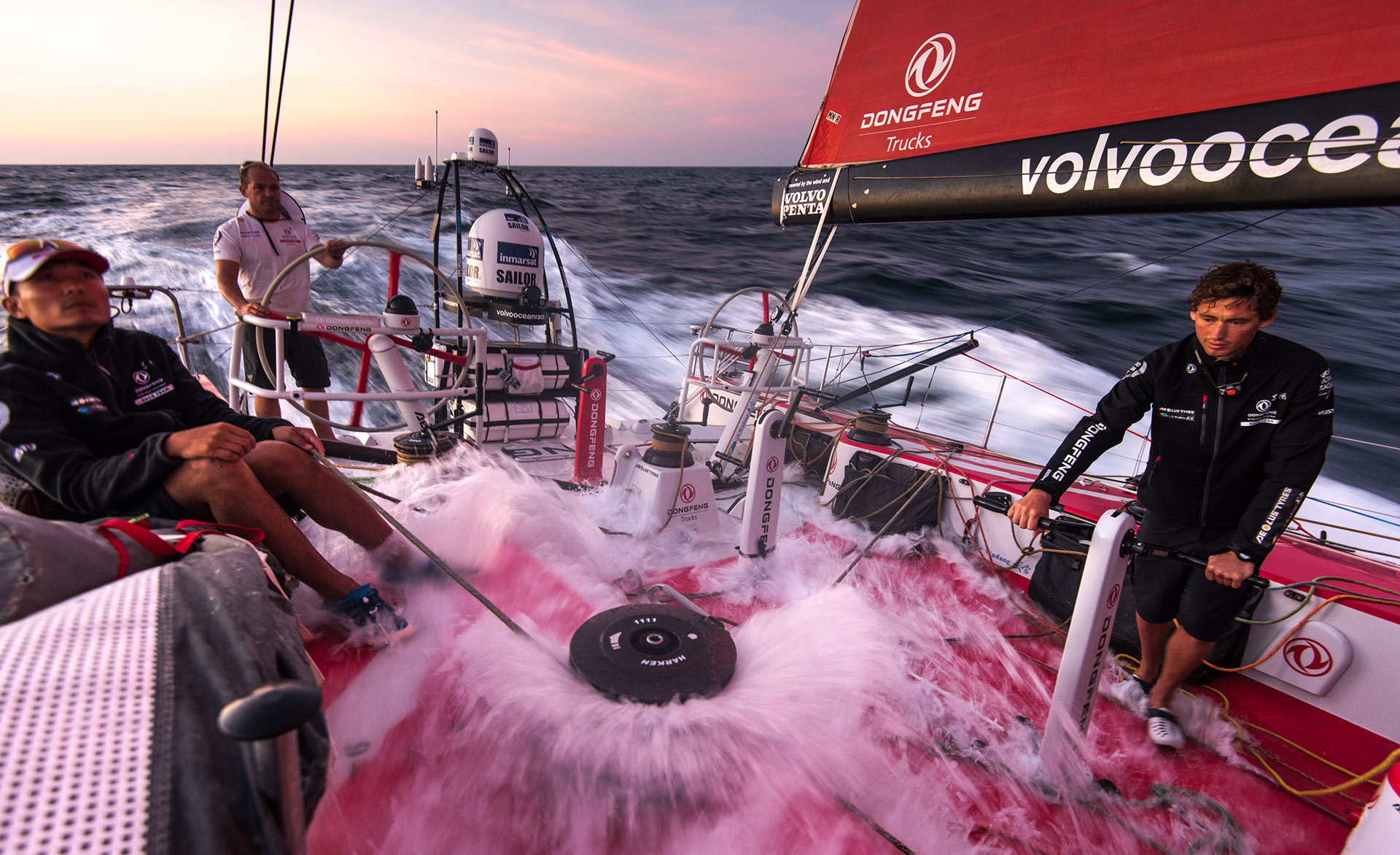
A break is essential the two hours how I do when I run or when I sail...

We know that we can run while sleeping or even have hallucinations which can lead to clumsiness and a fatal accident.
Sleeping with a nap seems unavoidable but causes unwanted sleep inertia effects that should be taken care of.
48 hours of sleep deprivation while participating in a sports competition is comparable to the effects of alcohol intoxication of 1.6g / L of blood.
The brain loses up to 20% of its reaction time capacities due to lack of sleep.
If lack of sleep is a determinant of performance, the challenge is to predict fatigue, predict cognitive performance in order to better manage your sleep, to practice in good health and in good safety conditions.
We fund medical studies
dedicated to this problem in sport
to better prevent & act.
Our medical research

1. Sleep deprivation and cognitive performance in elite offshore racing
- Study: Sleep restriction and degraded reaction-time performance in Figaro solo sailing races
- Sport category: offshore racing
- Who: Costal Opal University, URePSSS Laboratory
- Partners: Pole Finistere course au large
- Study: Published in 2014
 Article / DOI
2. Sleep, biological rhythms and accidentology in amateur offshore racing
- Study: Field study of sleep and functional impairments in solo sailing races
- Sport category: offshore racing
- Who: Costal Opal University, URePSSS Laboratory
- Study: Published in 2012
Article / DOI
3. Sleep and mathematical prediction of cognitive performance in ocean racing
- Study: Sleep and mathematical prediction of performances in a real offshore singlehanded sailing races
- Sport category: offshore racing
- Who: Costal Opal University, URePSSS Laboratory
- Study: Published in 2013
Article / DOI
4. Sleep deprivation and effects in ultramarathon
- Study: Combined effects of sleep deprivation and strenuous exercise on cognitive performances during The North Face (R) Ultra Trail du Mont Blanc (R)
- Sport category: Trail-running
- Who: Costal Opal University, URePSSS Laboratory
- Partners: UTMB, Foundation Ultra Sports Science USS
- Study: Published in 2015
Article / DOI
5. Sleep deprivation, circadian rhythmicity and effects in ultramarathon
- Study: Cognitive performance and self-reported sleepiness are modulated by time-of-day during a mountain ultramarathon
- Sport category: Trail-running
- Who: Costal Opal University, URePSSS Laboratory
- Partners: UTMB, Foundation Ultra Sports Science USS
- Study: Published in 2019
Article / DOI
6. Benefits of Power Naps During an Ultramarathon
Benefits of Power Naps During an Ultramarathon (EN)
Education / Our advice
Athletes & Coaches
o Sleep as much as possible in the weeks before departure (Battery fully charged).
o Start the race with a strategy based on the duration and experience.
o Sleep mainly at night and in the early afternoon.
o Take naps early in the race from the first night if possible.
o Take naps for 8 to 20 minutes maximum so as not to "be in the gas" upon waking. This nap time is conventionally extended during tests lasting several weeks.
o Respect the idea of keeping meal times like at home (all proportion kept).
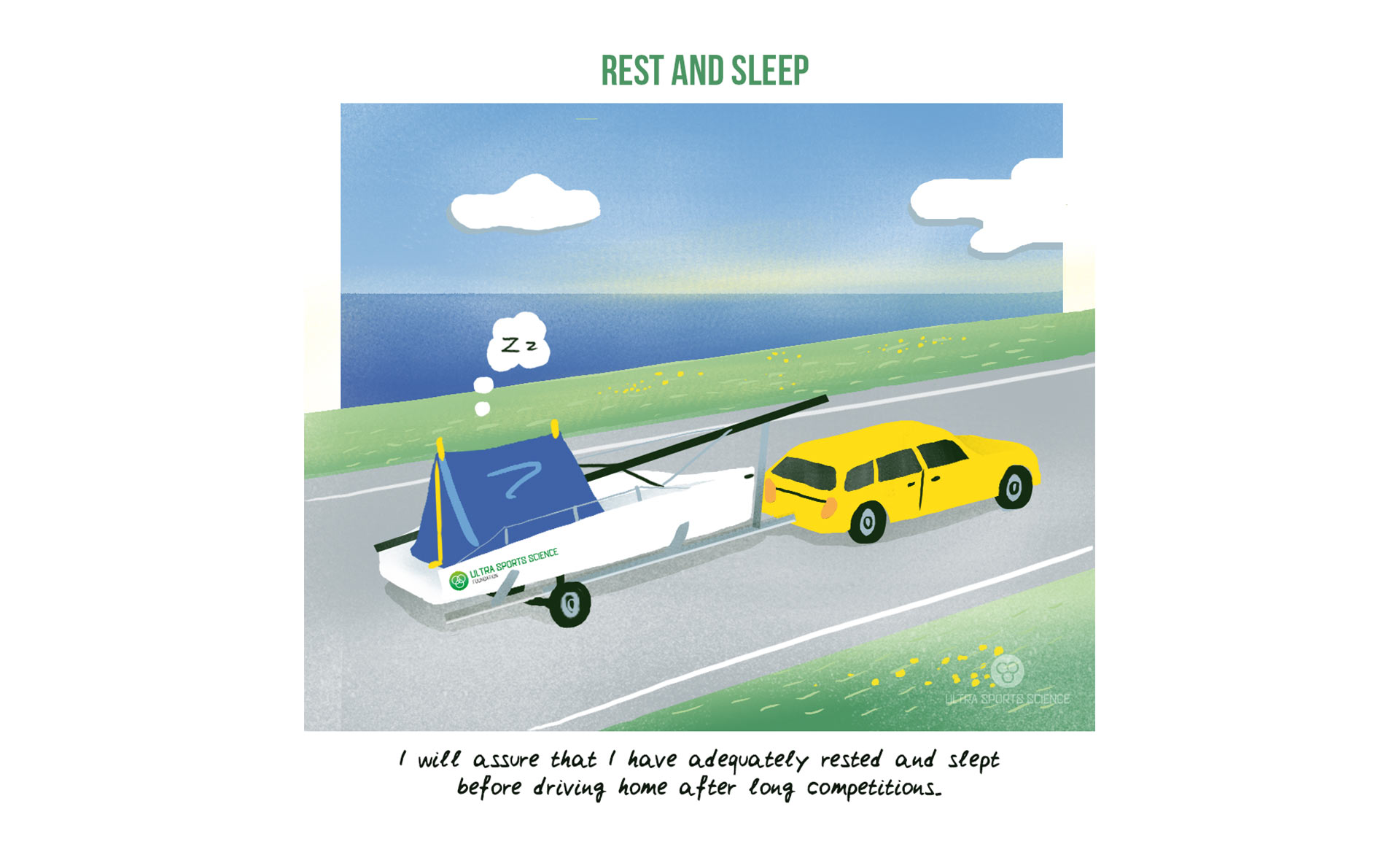
o Avoid taking your car for the return directly after the race (be driven or allow a recovery time before entering and respect the rules (stop at least every 2 hours, take a nap on a rest area at the first signs of drowsiness)
 Our Tips & Recommendations (EN)
Ultra-Health Guidline (EN)
Our Tips & Recommendations (EN)
Ultra-Health Guidline (EN)
Event Organizers & Health Professionals
Lack of sleep can be an important risk factor for your trials.
We invite the organizers to take the tools available to monitor the status of participants in the races they organize.
Our projects apply to all extreme sports where sleep deprivation is an important determinant of the event.
We offer specific advice for each event, challenge or adventure.
Our Tips & Recommendations (EN)
 Contact us / customized help
Our referent researchers
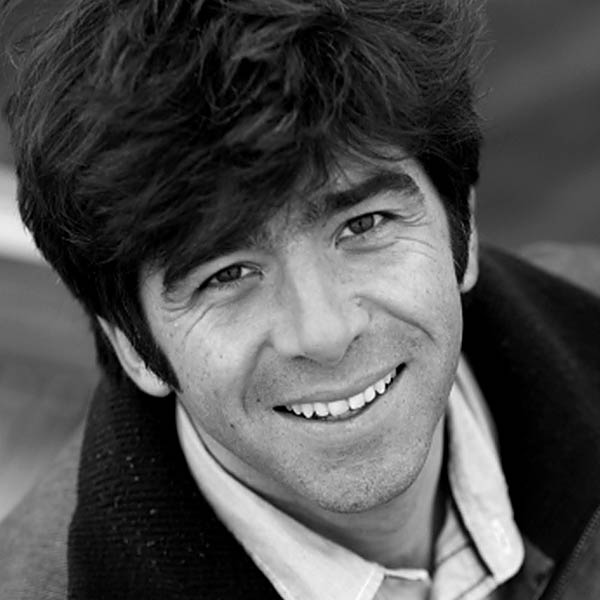 Rémy Hurdiel
PhD
Rémy Hurdiel
PhD
Spécialiste du sommeil et de la fatigue
France
Our ambassadors
They are committed to our cause
- Maxime Sorel Sail
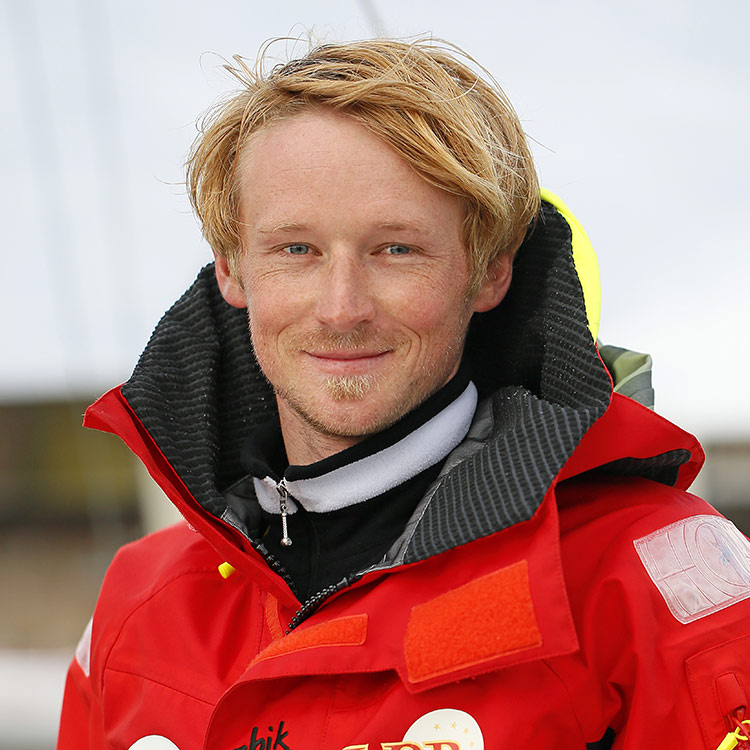


- Thomas Coville Sail
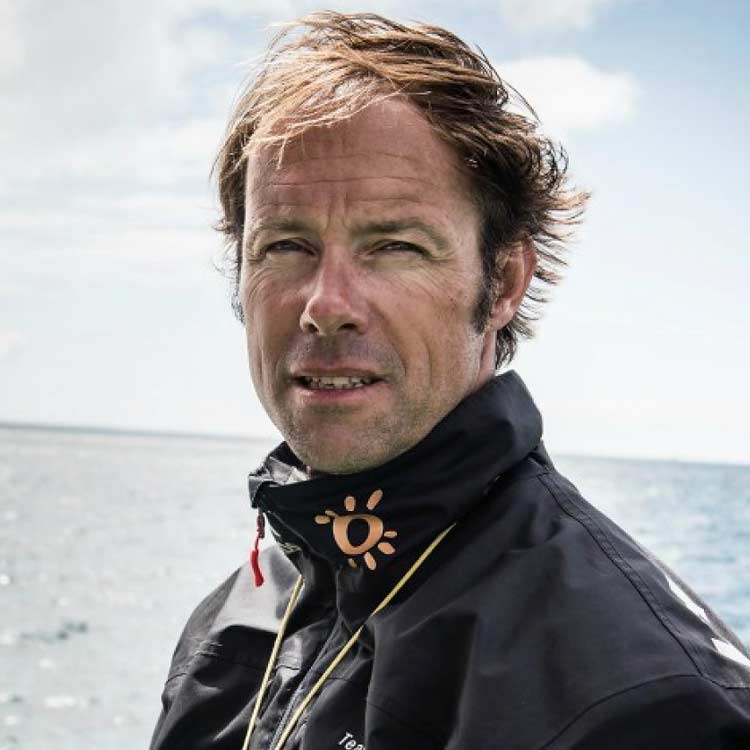
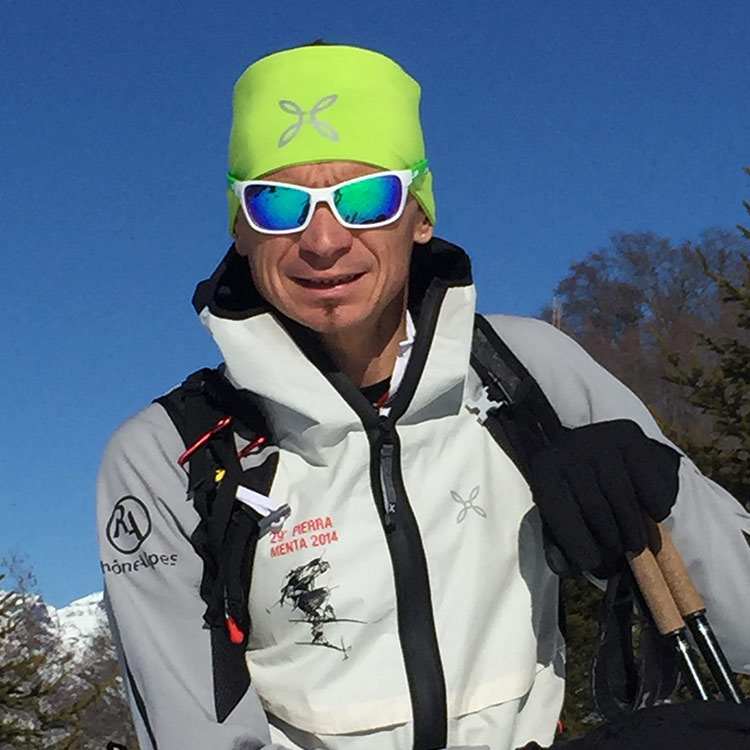
- Tony Sbalbi Mountaineering
Make a donation,
support our field studies
We need your donations,
to bring scientists to ultra-athletes,
to better understand and fight against the risks.